
Kenny Burrell — Early Years: Blue Note Sessions (1956-58)

It was a Tuesday. Much like any other Tuesday in Hackensack, New Jersey, in 1956.
Except on this particular one, May 29th, a 24-year-old with a storming, yet eloquent, left hand was in Rudy Van Gelder’s studio with a purpose: to officially toss his hat—no, make that his Gibson axe—into the ring. Up to then, many a sideman role had been held. That’s him, at 19, casting out a springy line in the company of another young giant-in-training, John Coltrane, on a 1951 gig belonging to bebop colossus Dizzy Gillespie. This was vastly different, however. Because the guitarist was now cutting what would become his debut LP as a leader. And for the prestigious Blue Note Records, no less. The five-man session ended up bleeding into the following day. But by the close of that Wednesday, the all-hear-this decree was completed.
By September, Introducing Kenny Burrell was on the street and turning heads.
And just like that, the so-called Velvet Whip was well on his way to joining fellow jazz fretsmen like Wes Montgomery to Grant Green and today’s Kurt Rosenwinkel back to the founding father, Charlie Christian, in the ‘pantheon of cool.’
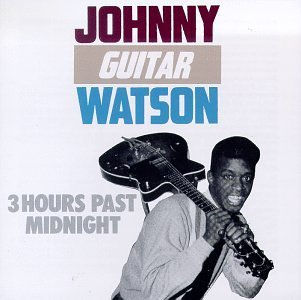
How cool? Sink into “Blues for Skeeter,” one of three Burrell originals unveiled during that May date. We hear him establishing his uncluttered, calmly burning sound with a high emotional content. But doing so with a radically different demeanor for moaning the blues. Because compare that warm glow to the growl and gnash of other guitars likewise bellyaching at that time, 1956: “Dimples” (John Lee Hooker), “I Can’t Quit You Baby” (Otis Rush), “Wild About You Baby” (Elmore James), “Three Hours Past Midnight” (Johnny “Guitar” Watson).
Same year. Worlds apart.
Closer would be that of the West Coast’s kingpin himself, T-Bone Walker (“Mean Old World”), understandably one of Burrell’s early favorites. Still, however, the difference is like night and day. (Another formative idol, Oscar Moore, hits closest to home.)
Early Years: Blue Note Sessions (1956-58) generously chronicles Burrell’s intense opening burst of creativity. In short, carpe diem on six strings.
To do so, the two-disc set corrals four of Burrell’s albums from the 1950s into a tidy, one-stop bonanza: Introducing Kenny Burrell, along with Kenny Burrell and Blue Lights Vol. 1 & Vol. 2 (well, just about all of Vol. 2). The combined 22 tracks offer a panoramic view across a range of scenarios: solo to septet, with combinations in between. With horns and without. In-studio and onstage. Blues (the daisy-chained “Rock Salt”) to ballads (the languid pools of “But Not for Me”). Hard-bop (a sleek racer in “Takeela”) to a ride on “Moten Swing.” Plus, the procession of supporting cast is stunning, with drummer Art Blakey, bassist Oscar Pettiford, and pianist Duke Jordan (a member of Charlie Parker’s bebop quintet) among those spotted.
Introducing Kenny Burrell drew in still more key men of the day. Wanting to be a part of the event
were Tommy Flanagan (piano), Paul Chambers (bass), Candido Camero (congas), and drummer

Kenny Clarke, the ride cymbal’s greatest proponent. “This Time the Dream’s on Me”—Side 1, Track 1—marks a momentous start. After 30 seconds of laying down the melodic theme, it’s off to the races. Like sparks from a fire, the shower of single notes flying off Kenny’s lightning-quick solo ignites more of the same from Flanagan as well as the two conversing percussionists. “Delilah,” an alluring earworm often associated with the ill-fated trumpeter Clifford Brown, adapts beautifully to

gentling guitar strings and a conga beat. “Weaver of Dreams” soothes all the more, underscored by wire brushes swishing around the snare head as if stirring soup. Then, for six minutes, drums and congas alone give a creative beating to “Rhythmorama,” an oasis of manmade thunder. But it’s the blues that baits in a statement from Chambers’ upright, acoustic bass: “Fugue ’n’ Blues” is plucked whereas the aforementioned “Blues for Skeeter” gets bowed.
Kenny Burrell arrived in record shops the year after, in 1957. Technically, this second album was
(primarily) recorded first, in March; however, the tapes sat on the shelf. The strategic wait paid

off. Rather than raising the curtain for the very first time with the band’s frontline additionally ablaze with Frank Foster’s tenor saxophone, the simpler, hornless Introducing kept more of the spotlight on that magnificent guitar establishing its voice. In other words, Kenny Burrell better suited the next natural progression of a rising star seeking new challenges. That way when you meet the ripping “Phinupi,” Foster’s bluster brings a fresh texture. Or when you’re seated inside Café Bohemia, a noted Greenwich Village hotspot, on a night when “Mexico City” is captured live and wiggling, the brassy blend of Kenny Dorham’s trumpet and J.R. Monterose’s tenor sax sounds like the next logical step in ramping up. And again, more blues: “Now See How You Are” is one of those pieces whose simmering pulse relies on touch and pure feel. Unlike the flying fingers required of “Cheeta,” Foster’s horn layers smoke atop Flanagan’s stylish twinkle and Pettiford’s gentle prodding. In addition to all the fluid, fiery, caramelized fretwork, an added perk was that the LP’s jacket allowed you to own a frameable piece of hand-sketched Andy Warhol artwork.
Blue Lights Vol. 1 & Vol. 2 expanded Burrell’s configurations further yet. By 1958, the ensemble

grew even bigger, swelling up to seven men with the fulltime addition of trumpet as well as dual saxophones. But, in doing so, his role dilutes as collective improvisation works its way down the long line, passing around soloing time in round-robin fashion. What’s gained, though, is hearing the guitar’s gentlemanly attack distinguish itself completely from everything else in the room on a stellar set filled with both group and individual showcases. “The Man I Love” bobs heads. “Chuckin’” taps toes. “Caravan”

heaves whole bodies. Credit Blakey for that. He’s the one actively thrusting the backdrop to the fore by indiscriminately dropping Kenny-Clarke-styled bombs that keep exploding his kit while everyone plays on. The candlelit “Autumn in New York” lets Kenny grab the reigns, unchallenged. The result is a balm for a bad day. But, as is often the case with Burrell, ballads give way to blues. Pensive and wistful, “Yes Baby” harbors a mood, alright. And besides still more blues (“Scotch Blues”), there is also more Warhol.
In time would come Midnight Blue, the symphonic Guitar Forms as well as a Blue Bash with the maestro of the Hammond B3 organ, Jimmy Smith. Stacked one on top of the other, Burrell’s hundreds upon hundreds of credited records (both as leader and accompanist) would easily tower well over five feet tall, if not six or more. The foundational base of that spire rests solidly upon these Early Years: 2.5 hours with the cuff-linked guitar whisperer who—even now at the age of 94—can chill out the blues.
Label: Acrobat
Release date: 5/8/26
Label website: Acrobat (Trapeze) Music.com
Reviewed by Dennis Rozanski


Comments